
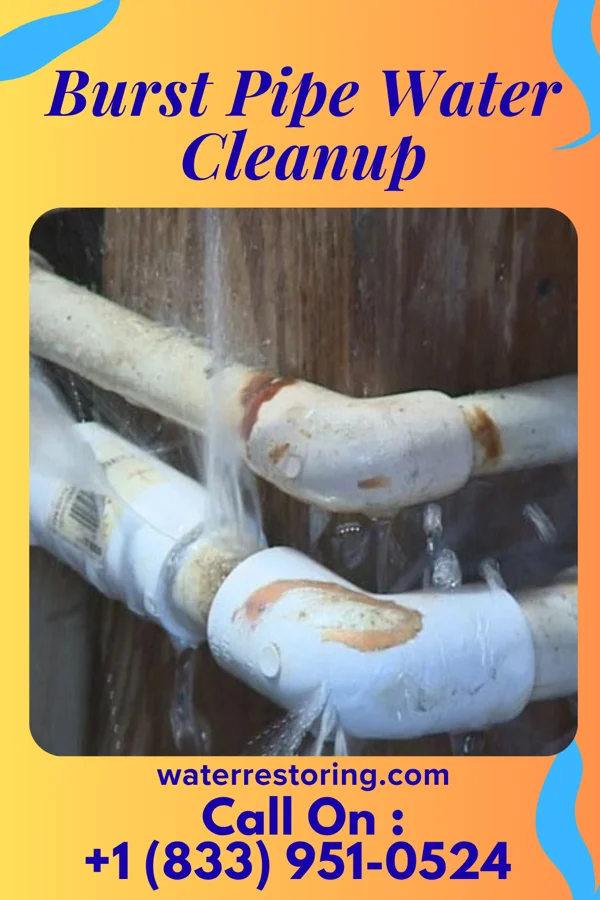
Hidden Burst Pipes in Port St. Lucie
Property owners across Port St. Lucie call certified water damage restoration when Port St. Lucie's older infrastructure, particularly in neighborhoods like River Park and White City, increases the risk of burst pipes due to aging plumbing systems. The city's proximity to water sources like the Indian River also means that flooding can compromise pipes, especially during heavy rainfall.. A close second is The high population density in areas such as Indian River Estates and St. Lucie Village puts more pressure on municipal water systems, leading to potential bursts in high-traffic zones. Additionally, the city's reliance on underground water lines makes them susceptible to damage from shifting soil or construction activities..
Port St. Lucie's subtropical climate, with high humidity and frequent rainfall, creates a perfect environment for pipe bursts and subsequent water damage. The city's warm, moist air can cause condensation and pressure buildup in plumbing systems, increasing the likelihood of leaks and bursts.
Port St. Lucie's subtropical climate, with high humidity and frequent rainfall, creates a perfect environment for pipe bursts and subsequent water damage. The city's warm, moist air can cause condensation and pressure buildup in plumbing systems, increasing the likelihood of leaks and bursts. The dominant local driver is Port St. Lucie's older infrastructure, particularly in neighborhoods like River Park and White City, increases the risk of burst pipes due to aging plumbing systems. The city's proximity to water sources like the Indian River also means that flooding can compromise pipes, especially during heavy rainfall., with The high population density in areas such as Indian River Estates and St. Lucie Village puts more pressure on municipal water systems, leading to potential bursts in high-traffic zones. Additionally, the city's reliance on underground water lines makes them susceptible to damage from shifting soil or construction activities. showing up as the next most common cause. Damage builds in stages. Spread. Absorption. Microbial growth. Structural compromise. Every stage you pass through adds to the final bill.